The Agile Edge in Game Development: Mastering Strategies for 2025
In the dynamic and hyper-competitive world of video game development, success hinges not just on creativity and technical prowess, but increasingly on superior project management. Projects are often sprawling, multi-million-dollar endeavors involving diverse, distributed teams, navigating ever-evolving technical challenges and player expectations. Traditional, rigid project management methodologies often buckle under this inherent complexity and unpredictability. This is where Agile Game Development: Deliver Quality, On Time, On Budget emerges as a powerful, future-forward solution, offering the flexibility and adaptability required to thrive. By 2025, mastering agile project management for games won't just be an advantage—it will be a necessity.
Game development project managers perform one of the most complex balancing acts in creative technology. They must seamlessly integrate artistic vision with rigid production pipelines, bridging the gap between designers, artists, programmers, and sound engineers. Agile provides a framework that not only accommodates this intricate dance but optimizes it for speed, quality, and responsiveness to change.
The Core Principles of Agile Project Management in Gaming
At its heart, agile project management isn't just a set of tools or ceremonies; it's a philosophy built on specific values and principles that are perfectly suited for game development's unique challenges. For game studios looking towards 2025, understanding these core tenets is paramount:
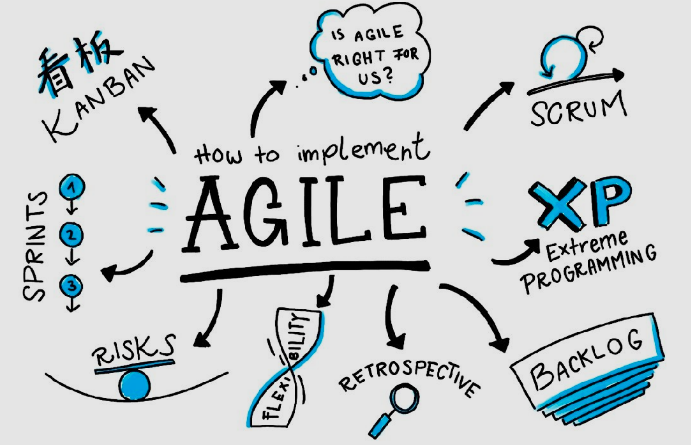
- Embracing Iterative Development and Flexibility: Unlike the linear "waterfall" model, agile development breaks projects into short, manageable cycles called sprints or iterations. This allows for rapid prototyping, continuous feedback, and the ability to pivot quickly when design challenges or new opportunities arise. This approach is invaluable in a creative field where initial concepts often evolve significantly during development.
- Empowering Cross-Functional Teams: Agile champions small, self-organizing, cross-functional teams. This means a team might include a programmer, an artist, a designer, and a QA tester working collaboratively on a specific feature. This fosters shared ownership, reduces communication silos, and accelerates problem-solving, ensuring everyone is aligned on immediate goals.
- Prioritizing Player Feedback and Adaptability: Agile methodologies emphasize delivering working software frequently. In game development, this translates to playable builds that can be tested internally and externally much earlier in the cycle. Integrating player feedback continuously allows studios to refine mechanics, balance gameplay, and ensure the final product truly resonates with its audience, minimizing the risk of costly missteps late in development.
This commitment to flexibility and continuous improvement through agile project management for games allows studios to navigate the inherent uncertainties of creative endeavors with greater confidence.
Strategic Elements for Agile Game Development Success in 2025
Successful project management in gaming, particularly with an agile approach, requires meticulous attention to several strategic elements. For 2025, these elements will be even more critical as game development becomes faster, more distributed, and technologically advanced:
- Vision and Evolving Scope Definition: While a clear initial project vision and high-level goals are crucial, agile acknowledges that detailed scope will evolve. Instead of a fixed, rigid scope document, agile uses a prioritized backlog of features and tasks. This allows the team to adapt to new insights, market trends, or technical discoveries without derailing the entire project. Defining the "Minimum Viable Product" (MVP) early is key, allowing subsequent iterations to build upon a solid, playable foundation.
- Dynamic Resource and Responsibility Allocation: Agile teams thrive on shared responsibility and self-organization. Daily stand-ups and regular sprint planning sessions ensure that tasks are distributed efficiently based on team capacity and individual expertise. This dynamic allocation helps manage distributed teams across different time zones, a common reality in modern game development, by fostering transparency and accountability.
- Continuous Monitoring and Adaptive Planning: Agile promotes constant oversight through tools like burndown charts, sprint reviews, and retrospectives. These mechanisms provide real-time insights into progress, identify bottlenecks, and facilitate quick adjustments. This continuous feedback loop means plans are never static; they adapt and refine with each iteration, keeping the project on track towards desired outcomes and quality benchmarks.
Mastering Communication, Risk, and Quality Assurance with Agile
The complexity and inherent uncertainty of game development demand robust strategies for communication, risk management, and quality assurance. Agile frameworks provide the ideal environment for these critical functions:
- Fostering Transparent Communication: Effective communication is the bedrock of any successful game development project. Agile methodologies inherently promote transparency through daily stand-ups, visible task boards (like Kanban), and regular sprint reviews involving stakeholders. This open dialogue ensures clarity, fosters cooperation, and keeps all team members aligned, especially vital for navigating the intricate interplay between creative and technical disciplines. For more insights on this, refer to Game Dev Project Management: Master Risk, QA & Communication.
- Proactive Risk Mitigation in an Agile Framework: Given the technical, financial, and design-related risks inherent in game development, a comprehensive risk assessment is paramount. In agile, risks are identified and discussed not just at the beginning, but continuously throughout each sprint. This allows project managers and teams to develop contingency plans proactively, mitigating potential issues before they escalate. The short feedback loops inherent in agile development mean problems are identified and addressed much faster, reducing their impact. Learning from past sprint experiences and incorporating those lessons ensures more effective anticipation and mitigation of future risks.
- Integrated Quality Assurance for Flawless Experiences: Quality assurance (QA) is not a final step in agile game development; it's an ongoing process deeply integrated into every sprint. Establishing clear quality goals and benchmarks at the start of the project and for each iteration guides the development process. With continuous integration and frequent builds, QA testers work alongside developers to identify and fix bugs early and often. This continuous quality control throughout the project lifecycle helps maintain high standards, ensuring a polished, bug-free, and engaging gaming experience upon release.
Implementing Agile: Practical Tips for Game Studios
Transitioning to or optimizing agile project management for games requires more than just adopting a few new tools. It demands a cultural shift and strategic implementation:
- Choose the Right Framework: While "Agile" is an umbrella term, specific frameworks like Scrum or Kanban are widely used. Scrum, with its structured sprints and defined roles (Scrum Master, Product Owner), is excellent for managing complex projects with clear iteration goals. Kanban, focused on visualizing workflow and limiting work-in-progress, is ideal for maintenance, live-service games, or projects with highly fluctuating priorities. Many studios benefit from a hybrid "Scrumban" approach.
- Invest in Agile Tooling: Project management software designed for agile workflows (e.g., Jira, Trello, Asana, Monday.com) can significantly enhance transparency, task tracking, and collaboration, especially for distributed teams. These tools make it easier to manage backlogs, visualize progress, and facilitate communication.
- Foster an Agile Culture: True agile success comes from a cultural shift that embraces collaboration, transparency, continuous learning, and adaptability. This requires leadership buy-in, training for all team members, and creating a psychologically safe environment where experimentation and feedback are encouraged.
Conclusion
The landscape of game development is constantly evolving, with increasing demands for innovation, speed, and player engagement. For studios to master these challenges and maintain a competitive edge by 2025 and beyond, adopting and refining agile project management for games is no longer optional. By embracing iterative development, empowering cross-functional teams, prioritizing feedback, and leveraging agile's inherent strengths in communication, risk management, and quality assurance, game developers can build stronger, more resilient teams capable of delivering exceptional gaming experiences on time, within budget, and to the highest quality standards. The agile edge is the strategic advantage that will define success in the future of interactive entertainment.